

You Can Come Back Without Starting Over
There’s a quiet assumption most of us carry about progress.
If we pause, we’ve fallen behind.
If we miss a step, we need to reset.
If we break the rhythm, we start from zero.
But real life doesn’t move in perfect streaks.
It moves in seasons.
Last week, something I wrote resonated more than I expected. It felt personal when I published it. And when it connected with people, my instinct wasn’t to speed up.
It was to slow down.
I spent a little more time with my family.
I let myself sit in the idea that something meaningful doesn’t need to be immediately turned into momentum.
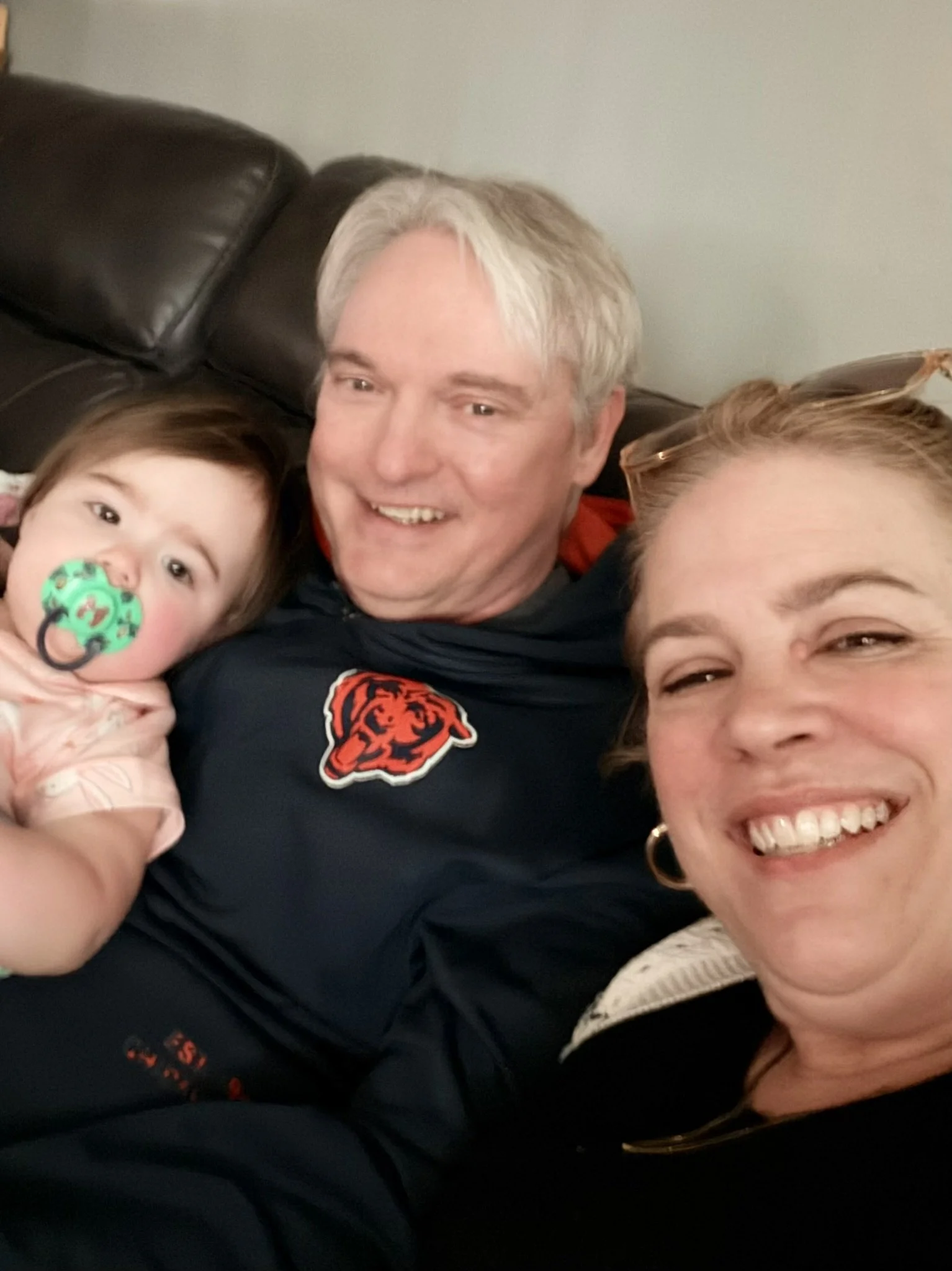
And somewhere in that slowing down, I skipped part of my usual rhythm.
Not dramatically. Just quietly.
What surprised me most was this:
Nothing collapsed.
The progress wasn’t erased.
The connection didn’t disappear.
The work was still there, waiting.
That’s when it clicked.
We don’t actually need to start over most of the time.
We just need to return.
Returning doesn’t require rewriting the week.
It doesn’t require announcing a comeback.
It doesn’t require a fresh Monday.
It looks more like this:
Opening the notebook again.
Cooking what’s already in the fridge.
Picking up the project without apologizing for the pause.
Posting today instead of promising to “do better” next week.
There’s a difference between restarting and re-entering.
Restarting says: “I failed.”
Re-entering says: “I’m continuing.”
That difference changes everything.
Interestingly, this is exactly what I’ve been thinking about while working on a new planner behind the scenes.
Not a dramatic overhaul.
Not a “new you” reset.
Just something that supports real weeks.
Including the ones where you drift a little and want to come back gently.
More on that soon.
For now, this is your reminder:
Pauses don’t erase progress.
You don’t have to rebuild.
You can just return.
And returning still counts.
Over the past few months, I realized I needed a steadier way to hold my weeks. Not stricter. Not busier. Just steadier.
So I built one.
If you’ve been following along with my gentle reset conversations, the Gentle Alignment Weekly Planner is the container I’ve been using behind the scenes.
It’s simple. Repeatable. Designed to be paused and begun again.

💛 The Reverse Chore Chart: When Choice Comes Before Completion
For a long time, I thought the problem in our house was follow-through.
If things weren’t getting done consistently, my instinct was to assign them more clearly. Create a better chart. Spell it out. Make sure everyone knew what they were responsible for.
But what I started noticing was this:
being assigned a chore didn’t automatically create buy-in.
Sometimes it created resistance.
Sometimes it created avoidance.
And sometimes it just created silence.
🌱 What shifted when choice came first
At some point, I stopped focusing on assigning tasks and started focusing on visibility.
Instead of telling everyone what they had to do, I made the needs of the house clear.
Here’s what needs attention.
Here are the focus areas.
This is what would help today.
Then I stepped back.
What surprised me was how different the energy felt when people got to choose.
💛 Why picking your own tasks matters
When someone chooses what they can take on, a few things happen naturally:
they’re more honest about their capacity
they’re more invested in following through
they build confidence by finishing what they selected
It also removes a lot of the tension that comes from being told what to do when you already feel behind.
Especially in neurodivergent households, where energy, focus, and motivation can fluctuate day to day, choice matters more than perfect consistency.
🔄 How effort shows up differently
Once tasks weren’t assigned, effort started to look different.
A five-minute reset instead of a full clean.
One focus area instead of the whole list.
Starting something without the pressure to finish everything.
Those small choices still moved the house forward — and they felt doable instead of overwhelming.
✨ This isn’t about opting out
Letting people choose doesn’t mean responsibilities disappear.
It means responsibility is shared differently.
Instead of enforcing compliance, you’re building awareness.
Instead of chasing completion, you’re supporting ownership.
And ownership tends to stick longer than reminders ever do.
🌼 A gentler way to run a household
If your home feels stuck in a loop of assigning, reminding, and correcting, this isn’t about lowering the bar.
It’s about changing how people engage with the work of living together.
Sometimes the shift that matters most isn’t doing more.
It’s letting people choose where they can show up.
Let your family choose their effort — not just receive assignments. 💛
✨ This isn’t about doing less
Focusing on effort doesn’t mean expectations disappear.
It means we stop confusing learning with failure.
Consistency grows faster when people feel safe trying again instead of bracing for correction.
🌼 A gentler way forward
If your current system relies heavily on reminders and constant correction, this isn’t an invitation to throw everything out.
It’s an invitation to notice what’s already happening.
Sometimes, effort is the missing piece.
And sometimes, seeing effort is what finally helps things stick.
Let your family show their effort — not just their checkmarks. 💛